ماه: دسامبر 2016

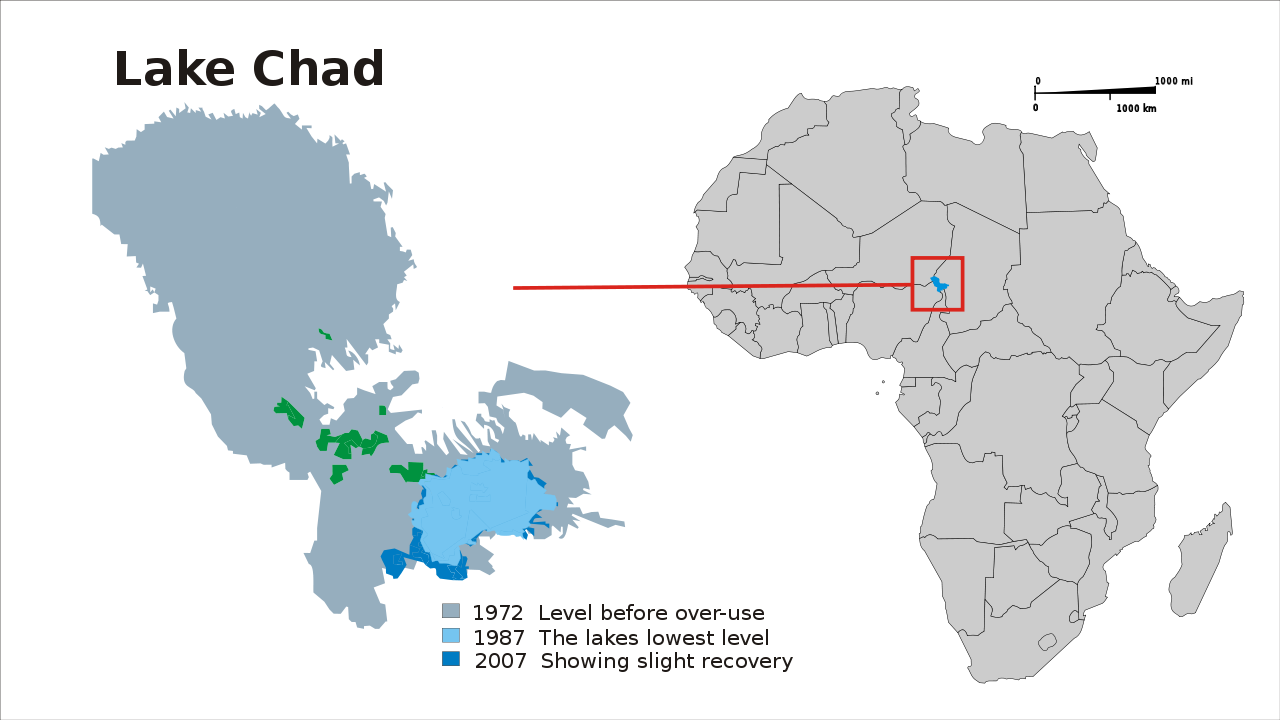
In Transaqua, A Dream Is Becoming Reality for Africa

Dec. 26 (EIRNS)—Decades-long efforts by the Transaqua authors and by the Schiller Institute have achieved a success, as Powerchina, the Lake Chad Basin Commission, and Nigerian authorities on Dec. 13 signed a Memorandum of Understanding for a water transfer project from the Congo Basin to Lake Chad. The project follows exactly the layout of Transaqua, the Italian project […]
Read More

“Конец глобализации. На стратегическом перепутье «Четыре закона» Ларуша задают вектор развития”

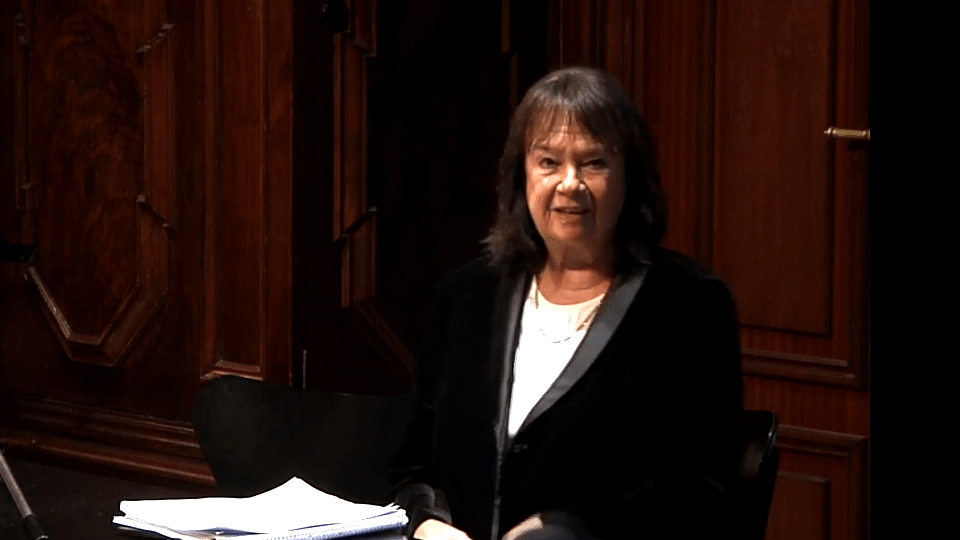
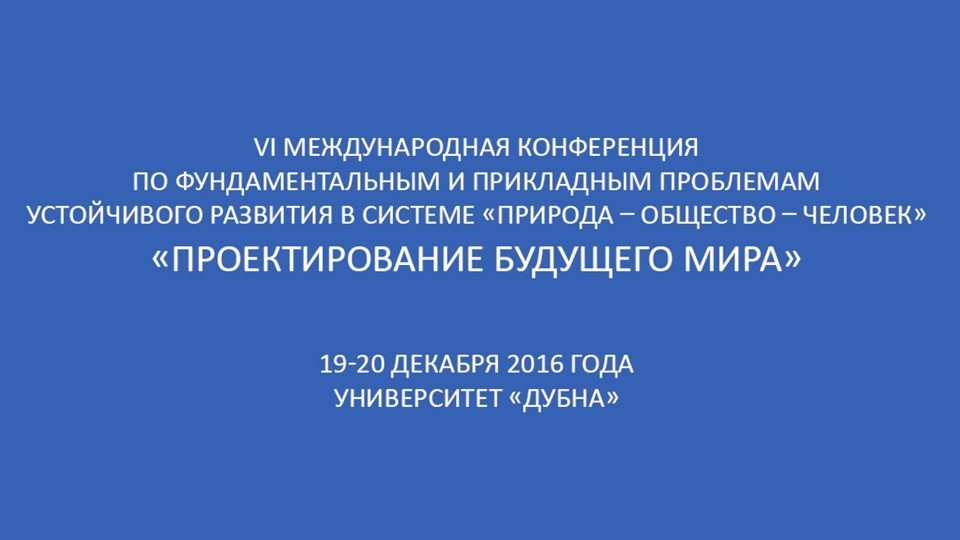
Видео-обращение Хельги Цепп-Ларуш, основателя Шиллеровского института на VI Международной конференции по фундаментальным и прикладным проблемам устойчивого развития в системе «природа – общество – человек» – «Проектирование будущего мира». 19-20 декабря 2016 года. Университет «Дубна», Дубна, Московская обл., РФ

Read More

Ein Vorgeschmack auf die Renaissance

Stephan Ossenkopp berichtet von einem „Dialog der Kulturen“, den das Schiller-Institut am 10. Dezember im Berliner Literaturhaus veranstaltete. Am 10. Dezember wurde das Berliner Literaturhaus zu einem Ort, an dem die Ideen für eine längst überfällige klassische Renaissance lebendig wurden. Das Schiller-Institut hatte zum „Dialog der Kulturen“ eingeladen, um „ein neues Paradigma als Ausweg aus […]

Read More

Statement by Zepp-LaRouche to the International Dubna Conference, Russia

This is an edited transcript of a video presentation by the founder of the Schiller Institute, Helga Zepp-LaRouche, to the Sixth Annual International Conference on Fundamental and Applied Problems of Sustained Development in the “Nature-Society-Man” System at the Dubna International University of Nature, Society, and Man, in Dubna, Moscow Region, Russian Federation. The conference—“Designing the […]

Read More

Zepp-LaRouche in Copenhagen: Donald Trump and the New International Paradigm

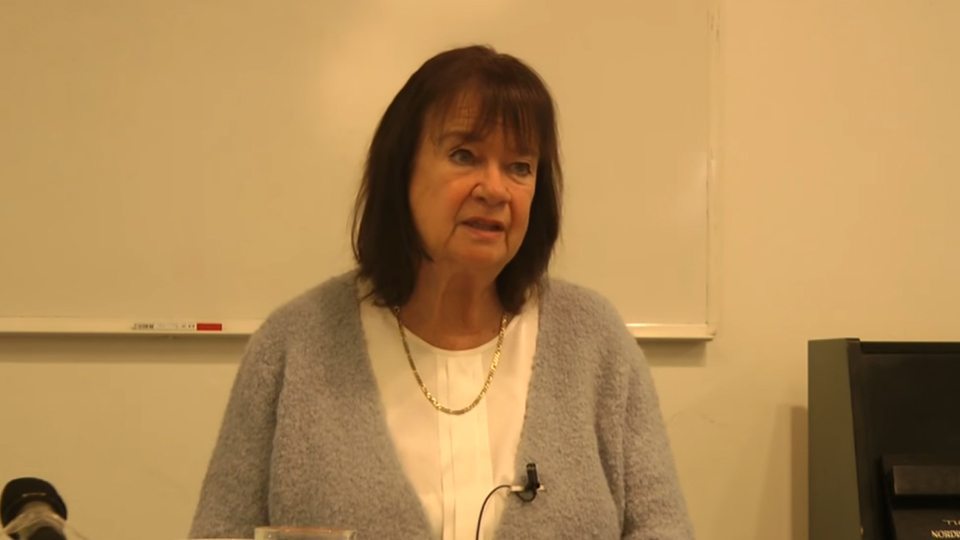
On Monday, December 12, Helga Zepp-LaRouche was the special guest speaker at a Schiller Institute/EIR seminar in Copenhagen entitled, “Donald Trump and the New International Paradigm.” Eight diplomats from six countries attended, including two ambassadors. There were nations from Western Europe, Southwest Asia, Western and Eastern Asia, and Africa. In addition, there were around 30 […]

Read More